
Your Website Needs More Than Design - It Needs Strategy

In This Article
A website redesign is often seen as the solution when a business feels stuck online. But the real challenge may not be your website - it may be your strategy, positioning, messaging or digital systems behind it. In this article, we explore why successful websites start with a clear understanding of the business they support.
Contents
Key Takeaways
✓ A website can only communicate the clarity that already exists within your business.
Before redesigning your website, it is important to understand your positioning, services, audience and business goals.
✓ Many website problems are actually business strategy problems.
Confusing messaging, unclear services, poor customer journeys and disconnected processes often show up through the website first.
✓ A successful website starts with understanding your customers.
Your website should speak directly to the people you want to reach, answer their questions and guide them toward the right next step.
✓ Your website should support your business - not just showcase it.
Modern websites can become powerful tools that support bookings, client communication, sales, training, automation and daily operations.
✓ A website redesign is an opportunity to improve the entire customer experience.
The best website projects look beyond aesthetics and create a stronger connection between your brand, strategy, technology and future growth.
Your Website Needs More Than Design - It Needs Strategy
Your website looks outdated. Your services have changed. Your branding doesn't quite feel like you anymore. Your competitors seem to be doing a better job online. So naturally, you think it's time for a new website.
But what if the website isn't actually the problem?
A website is often the most visible part of a business, which makes it an easy target when things aren't working. It's something you can look at, criticize, redesign and replace. But in many cases, an underperforming website is simply reflecting deeper problems within the business itself.
The messaging may be unclear because the business hasn't clearly defined its positioning. The navigation may be confusing because the services have grown without a clear structure. The website may not generate leads because there isn't a defined customer journey. The brand may feel inconsistent because the business itself has evolved but its identity hasn't evolved with it.
And no amount of beautiful design can completely fix a business that hasn't figured out what it wants to say, who it wants to serve or how it wants customers to move from discovering the business to becoming a customer.
Before you rebuild your website, it may be time to look at the business behind it.

A Website Is the Face of Your Business - Not the Business Itself
Your website is one of the most important touchpoints between your business and your customers, but it is only one piece of a much larger picture.
Think about what happens before someone visits your website.
Maybe they find you through Google. Perhaps someone refers them to you. They see one of your social media posts, receive an email, meet you at an event or hear about your company from a colleague.
Then they visit your website. At that moment, your website has a job to do. It needs to quickly communicate who you are, what you offer, who you help and why someone should trust you. It needs to make it easy for the right person to take the next step.
But the website can only communicate what the business has already figured out. If you haven't clearly defined your services, your website will struggle to explain them. If you don't know what differentiates you from competitors, your website will sound generic. If you haven't identified your ideal customers, your messaging may try to speak to everyone and ultimately connect with no one. If your internal processes are disorganized, your website may simply become another disconnected tool rather than an effective part of your business.
The website doesn't create clarity. It communicates clarity.
That distinction is incredibly important.

The "We Need a New Website" Problem
One of the most common situations we see is a business owner who says: "We need a new website."
Sometimes they absolutely do.
A website can become outdated. Technology changes. Businesses grow. Branding evolves. Mobile experiences need improvement. Features become obsolete. Security and performance matter. And sometimes a website has simply reached the end of its useful life.
But before immediately jumping into design, we like to ask a different question:
Why do you think you need a new website?
The answer is often much more revealing.
Maybe the business owner says:
"Our services have changed."
That's not necessarily a website problem. It's a business evolution problem.
"People don't understand what we do."
That's potentially a positioning and messaging problem.
"We're getting traffic but nobody is contacting us."
That could be a conversion problem.
"Our team keeps answering the same questions over and over."
That's potentially a process and systems problem.
"We're using five different platforms to manage our customers."
That's a technology and workflow problem.
"We look exactly like our competitors."
That's a branding and differentiation problem.
The website may eventually need to change, but the solution starts somewhere else.

Your Website Should Reflect Where Your Business Is Going
A website redesign should never be based solely on where your business has been. It should be based on where you're going.
This is particularly important for growing businesses.
Perhaps you started with three services and now offer eight. Maybe you've moved from serving individuals to working with larger organizations. Maybe you've added employees, opened another location or expanded into a completely new market. Maybe your business model has changed entirely.
Yet your website still tells the story of the company you were three years ago.
That's when redesigning the website becomes an opportunity to do much more than change colours, fonts and photographs.
It becomes an opportunity to rethink the business from the customer's perspective.
What do you want to be known for?
Which services are most important?
Which customers are the best fit?
What makes your business different?
What should a potential customer understand within the first 10 seconds of visiting your website?
What should they do next?
What can be automated?
What information should customers be able to access themselves?
What does your team need internally?
Those questions can completely change what the website needs to be.

Before Design Comes Strategy
Good website design is not simply about making something look good. Design should solve problems.
Before choosing colours, layouts, animations and photography, there are several strategic questions worth answering.
1. Who are you trying to reach?
A website written for everyone usually ends up speaking very specifically to no one.
Your ideal customer doesn't need to be the only person allowed to use your website, but your messaging should make it obvious who you are particularly well-suited to help.
Consider what they need, what they value, what concerns them and what they are looking for when they begin their search.
Your website should meet them where they are.
2. What problem are you solving?
Businesses often describe themselves by listing what they do.
"We provide consulting."
"We offer marketing services."
"We build websites."
"We provide accounting services."
But customers are usually more interested in what happens because of those services.
What problem are you solving?
What becomes easier?
What improves?
What risk disappears?
What opportunity becomes possible?
The difference may seem subtle, but it can completely change your messaging.
3. Why should someone choose you?
Your competitors may offer similar services. That doesn't mean you are interchangeable. Your experience, process, specialization, personality, approach, service model or perspective may be what differentiates you. But if you don't articulate that difference, your customer is left to figure it out for themselves ... and they may not.
4. What do you want visitors to do?
A website should have a purpose beyond "being online."
Do you want someone to book an appointment?
Request a consultation?
Purchase something?
Complete a form?
Call you?
Join your membership?
Download a resource?
Start a conversation?
A good website makes the next step obvious.
Your Website Is Part of Your Business System
This is where websites have become much more interesting.
A modern business website doesn't have to be a digital brochure that simply tells people about your company.
It can become part of the infrastructure that actually helps you run your business.
Depending on the company, that could include:
Client portals
Employee hubs
Booking systems
Memberships
Online payments
Ecommerce
Training platforms
Dashboards
Customer forms
Proposals, quotes and invoices
Automated communications
CRM integrations
Document management
AI-powered tools
Internal knowledge bases
Mobile applications
Suddenly, the question isn't simply: "What should my website look like?"
It becomes: "What should my digital business system do?"
That is a much more valuable question.
Imagine a service business where customers currently email the office every time they need an appointment, ask for an update or need access to a document. A redesigned website could potentially provide a secure client portal where customers can log in, view information, submit requests and communicate with the business.
Or consider a company with new employees who repeatedly need to ask management where to find policies, procedures and training materials. Instead of relying on scattered documents and emails, the business could build an internal employee hub or training platform.
The website isn't simply prettier. The business works differently.
That's the kind of transformation a strategic website project can create.

Don't Automate a Broken Process
There's another reason strategy needs to come before technology.
Technology is incredibly good at making processes faster. Unfortunately, it can also make bad processes faster. If your customer journey is confusing, adding automation doesn't necessarily fix it. If your services are poorly organized, creating a complicated booking system may simply create a more sophisticated version of the same confusion. If your team doesn't agree on how something should be handled, building software around that process may create even more problems.
Before automating something, ask: "Does this process actually make sense?"
Then ask: "Can technology make it easier?"
That order matters.
The goal isn't to add technology because technology is available. The goal is to use technology where it genuinely improves the customer experience, saves time, reduces errors or helps the business operate more effectively.
Your Brand and Website Need to Tell the Same Story
Another common problem is a disconnect between the brand and the website.
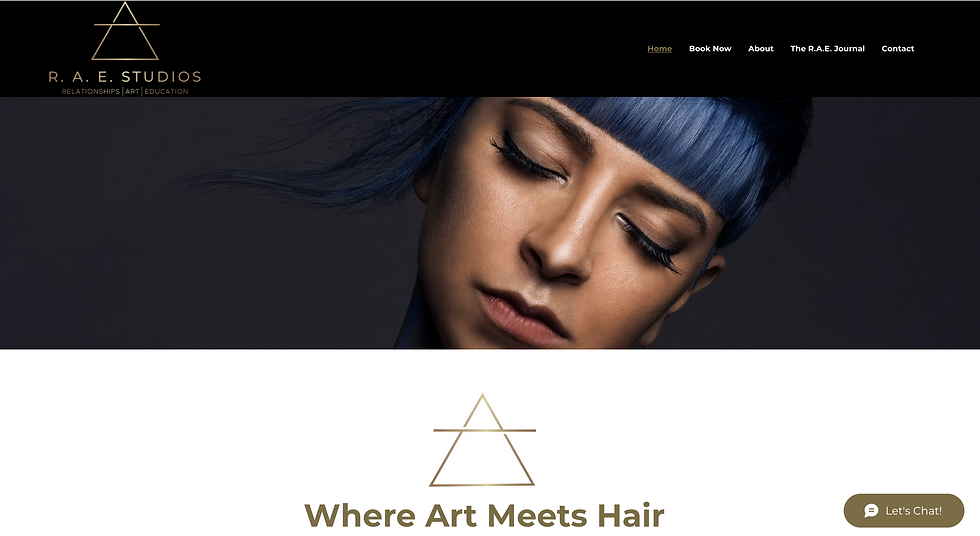
The business may have a polished logo and beautiful colours, but the website feels generic. Or the website looks modern while the messaging sounds like it was written ten years ago. Or the company's social media, printed materials and website all appear to belong to different businesses.
Branding is much bigger than a logo.
Your brand communicates your personality, positioning, values, experience and the expectations customers should have when they interact with you.
Your website should be one expression of that brand.
When the strategy, messaging, visual identity and digital experience all work together, the business becomes much easier to understand - and much easier to remember.

Sometimes the Best Website Redesign Starts With a Business Audit
Before redesigning a website, it can be incredibly valuable to step back and look at the business as a whole.
Ask yourself:
Business
What has changed since the current website was built?
Where is the business going?
Which services or products are most important?
What parts of the business are growing?
What is currently taking too much time?
Customers
Who are your best customers?
Why do they choose you?
What questions do they ask before buying?
Where do they get stuck?
What could make their experience easier?
Brand
Does your current brand accurately represent the business?
Do you stand out from your competitors?
Does your visual identity reflect the level of service you provide?
Is your messaging clear and consistent?
Website
Can visitors quickly understand what you do?
Is the navigation intuitive?
Does the website work well on mobile?
Are your calls-to-action clear?
Is the content current?
Does the website actually support your business goals?
Systems
What are you doing manually that could be streamlined?
Are customers repeatedly asking for information they could access themselves?
Are employees relying on scattered documents and emails?
Are your tools connected?
Could your website become part of the solution?
These questions often reveal that a website redesign is actually a much bigger opportunity.
A Better Website Starts With a Better Understanding of the Business
The most successful website projects aren't necessarily the ones with the fanciest animations or the most elaborate visual effects.
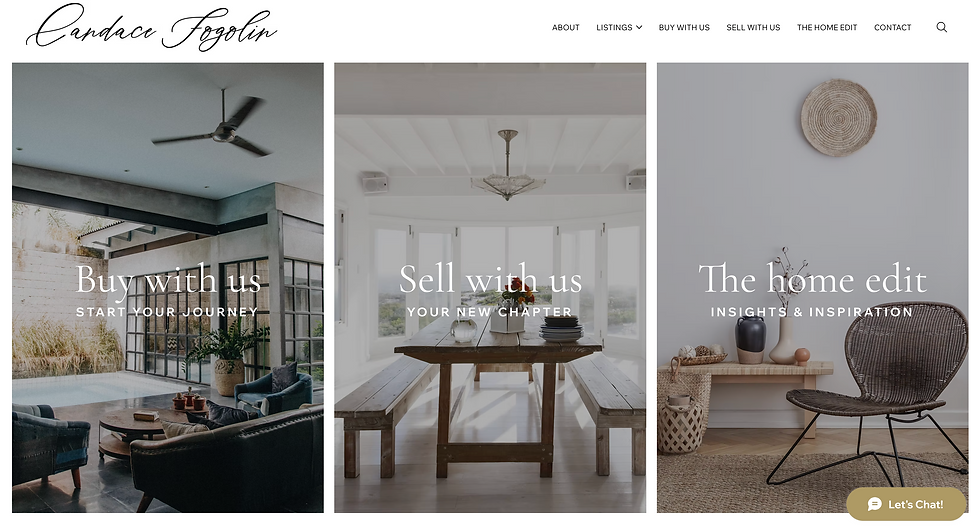
They're the ones where the business owner can finally look at the finished website and say:"Yes. This is who we are."
Ultimately:
The services make sense.
The messaging feels right.
The brand looks like the business they've worked so hard to build.
Customers understand what they offer.
The right people know they're in the right place.
The next step is obvious.
And behind the scenes, the website is actually helping the business operate.
That's when a website stops being something you simply have and becomes something your business can actually use.

So, Do You Actually Need a New Website?
Maybe.
But don't start with the design.
Start with the questions:
What has changed in your business?
What isn't working?
What do your customers need?
What do you want the business to become?
What should be easier?
What should be automated?
What should your website accomplish that it isn't accomplishing today?
Once those answers are clear, the website becomes much easier to design. Because you're no longer designing a website simply because your old one looks dated. You're building a digital experience around a business that has a clear direction.
And that distinction can make all the difference.

Your Website Should Work as Hard as You Do
Your website shouldn't simply sit on the internet waiting for someone to find it. It should communicate your value, build trust, guide customers, generate opportunities and where appropriate, help your business operate more efficiently.
Sometimes that means a straightforward website refresh.
Sometimes it means a complete rebrand.
Sometimes it means restructuring your services and messaging.
And sometimes, the answer is much bigger: a website connected to the systems, tools and processes that actually run your business.
That's why we believe great website design starts long before the first page is designed.
It starts with understanding the business. Because when the strategy is right, the website has something meaningful to say. And when the website, brand, strategy and technology all work together, you're no longer just building a website.
You're building a better business.

Ready to look at your business differently?
If your website isn't performing the way you need it to, the answer may not be another redesign. It may be time to step back and look at the bigger picture.
At Pip Design, we help businesses bring together business strategy, branding, websites, marketing and digital business platforms to create solutions designed around how the business actually works and where it wants to go next.
Whether you need a better website, a client portal, employee hub, a stronger brand, a more effective customer experience or a complete digital business system, the first step is understanding what your business really needs.


About the Author
Tatiana Colhoun is the founder of Pip Design, a business and digital solutions consultancy specializing in strategy, branding, websites, digital business systems and emerging technology. Pip Design works with businesses to turn ideas and complex digital needs into practical, cohesive solutions designed around how they operate and where they want to go.
